
Diabetes is one of Scotland’s fastest-growing health challenges, affecting thousands across rural areas — including many in agriculture. While farming keeps us close to nature, it doesn’t always lead to healthy habits. Long hours, irregular meals, stress, and limited access to health services can all raise the risk of developing type 2 diabetes. The good news is that small, practical changes can make a big difference — both on the farm and in the farmhouse.
Understanding the Risk
Type 2 diabetes develops when the body becomes resistant to insulin, the hormone that controls blood sugar levels. Common symptoms include excessive thirst, frequent urination, and tiredness, although not everyone experiences them. The condition is strongly linked to lifestyle factors such as being overweight, eating too much refined sugar or carbohydrates, and lack of physical activity. Family history, age, and stress also contribute — all of which are common in farming life.
Pre-diabetes occurs when blood sugar levels are higher than normal but not yet high enough for a diabetes diagnosis. It often shows no symptoms, meaning many people don’t realise they have it. However, it’s a crucial warning sign. The positive news is that pre-diabetes can often be reversed through simple lifestyle adjustments.
People in rural communities are often less likely to visit their GP unless something feels seriously wrong. Many farmers prioritise working on the farm over their own wellbeing, delaying simple checks that could detect diabetes early. Regular health checks are vital because early detection or prevention can stop complications such as heart disease, stroke, sight loss, and foot problems.
Farming Life and Hidden Habits
Everyday habits can have a bigger impact than we think. Long hours on the tractor, eating on the go, and relying on fizzy drinks or sugary snacks for quick energy are common during busy periods. Add in stress from weather, finances, or market pressures, and it’s easy for health to take a back seat.
Although farming can be physically demanding, it doesn’t always provide the type of consistent exercise that helps manage weight and blood sugar. Intense bursts of work followed by long sedentary stretches make it harder to maintain balance. Awareness is the first step — once we recognise unhealthy patterns, we can make small, sustainable changes that fit around farm life.
Simple Changes That Work
Preventing diabetes doesn’t mean giving up everything you enjoy. It’s about balance, planning, and making realistic adjustments. Try these simple steps:
- Swap snacks: Keep oatcakes, fruit, or nuts in the tractor cab instead of biscuits or chocolate.
- Think drinks: Choose water or milk instead of fizzy or energy drinks, which can contain up to 15 teaspoons of sugar per can
- Watch portion sizes: Traditional hearty farm meals can still be enjoyed in smaller portions with fewer fried foods. Try serving onto a smaller plate.
- Keep moving: Even short bursts of activity — walking to check stock, fencing, or carrying feed — all count.
- Visit RSABI’s Health Hut for a free diabetes risk assessment. It’s quick and could save your sight, heart, or even your life. While there, try the baler twine test — a simple reminder that maintaining a healthy waist size is just as important as overall fitness. You’ll find the dates of forthcoming health huts at www.rsabi.org.uk/healthhuts/
At recent agricultural markets, RSABI’s Health Huts have featured displays showing the sugar content of popular drinks which have sparked real conversations. Seeing piles of sugar beside each bottle has shocked many farmers into rethinking their habits. These “lightbulb moments” can be the first step towards lasting lifestyle changes.
A Healthier Future for Rural Scotland
Scotland’s farming families play a vital role in feeding the nation, but looking after their own health is just as important as caring for their land, crops and livestock. Every small step — from swapping snacks to booking that annual check-up — helps reduce the risk of diabetes and strengthens the health of rural communities.
So next time you’re at the mart or sitting in the tractor cab, take a moment to think about your health. You maintain your machinery — make sure you’re maintaining yourself too.
Further information about diabetes and support can be found via Diabetes UK at www.diabetes.org.uk
Boxed off
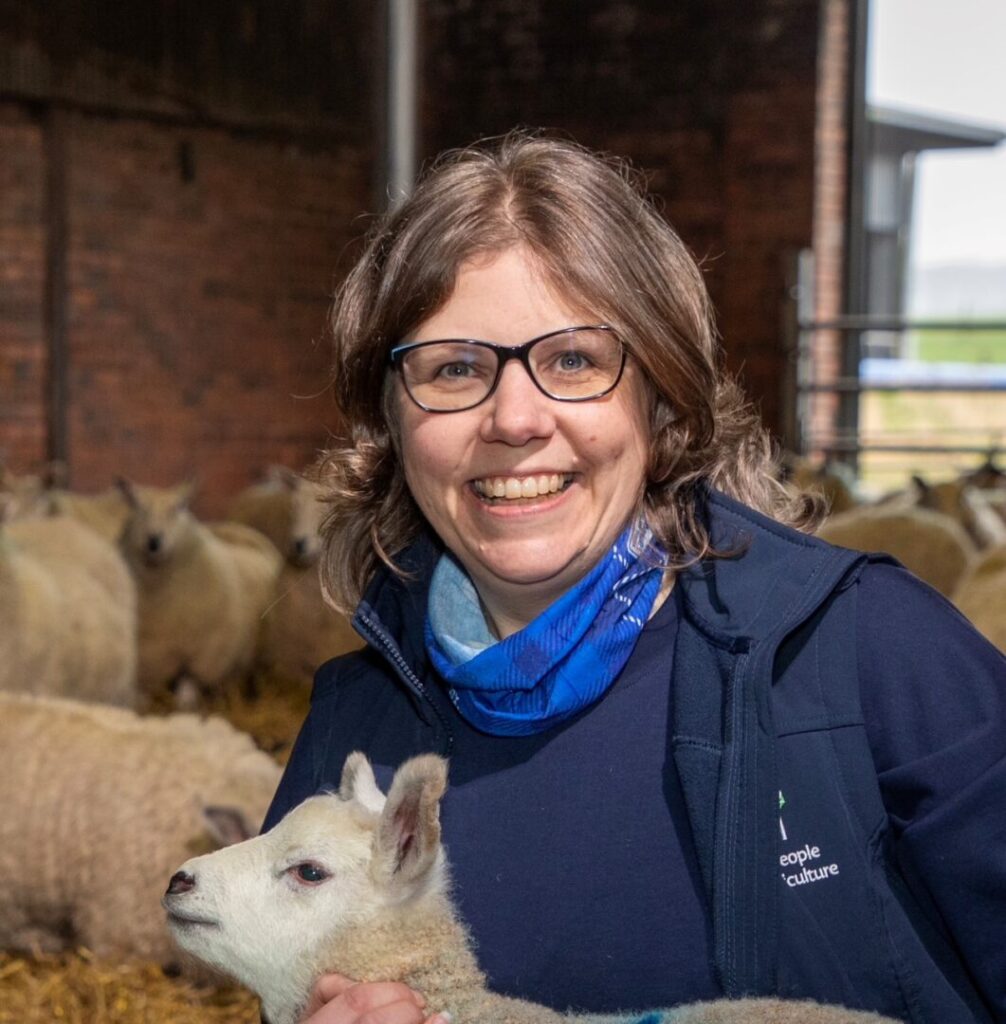
Irene Scott is a Practice Nurse from Fife, with deep roots in agricultural, who has combined her passion for rural communities with her healthcare expertise. As part of the lead team for RSABI’s health Hut, she plays a pivotal role in supporting the physical and mental wellbeing of those who work in Scottish agriculture. Irene’s commitment to rural health has been recognized through the prestigious Queen’s Nurse Award, reflecting her leadership, compassion and dedication to improving health outcomes in her community.