
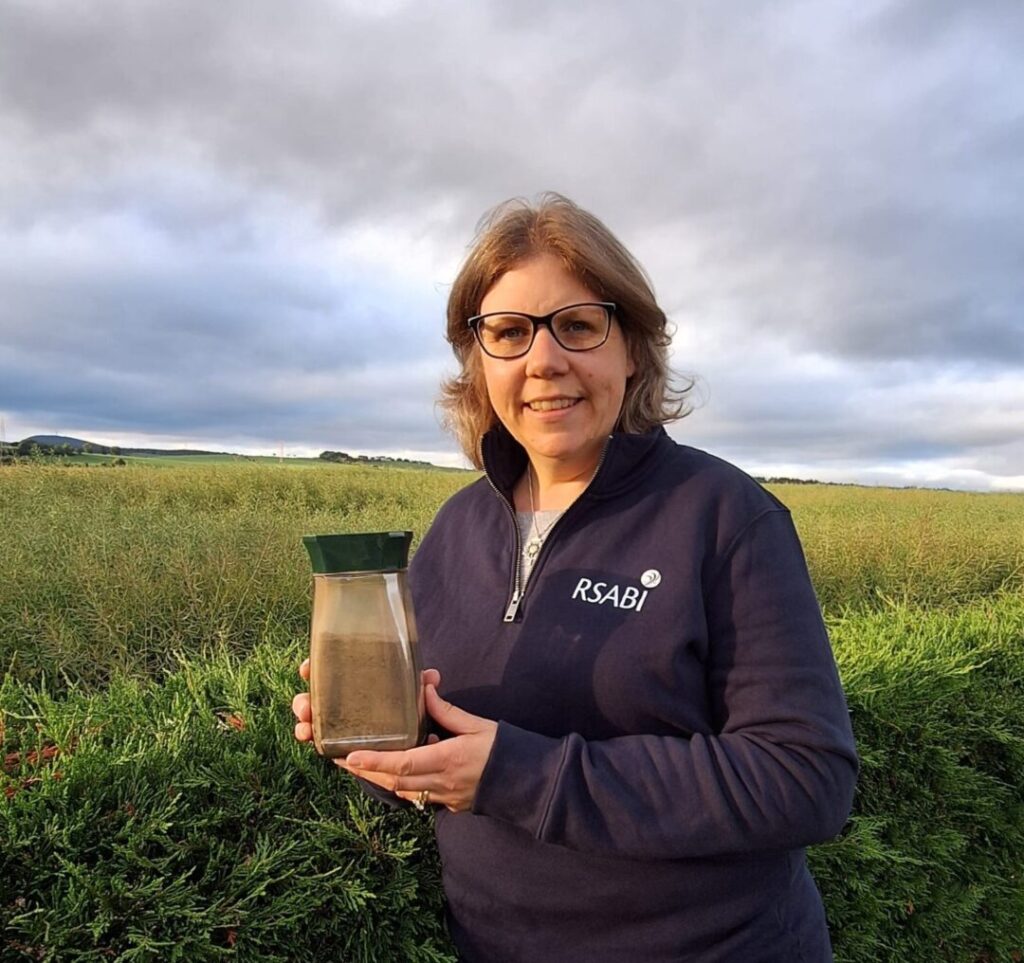
By Irene Scott
Farming is a physically demanding and essential profession, but it often comes with significant risks to respiratory health. Farmers are regularly exposed to airborne hazards such as tractor cab dust, grain dust, chemicals, and fumes, all of which can have serious short-term and long-term effects on lung function. These exposures are frequently underestimated, yet they contribute to a range of respiratory conditions that can severely impact quality of life and work capacity.
One of the primary risks to respiratory health in farming is organic dust, particularly grain dust. During harvesting, handling, and storage of grains, large amounts of fine particles are released into the air. This dust is not just composed of plant material—it also contains mould spores, bacteria, endotoxins, and pesticide residues. Inhalation of these particles can lead to farmer’s lung (a type of hypersensitivity pneumonitis), chronic bronchitis, or asthma-like symptoms.
Similarly, tractor cab stour poses a hazard, especially in older machinery or those without proper filtration systems. Stour stirred up during fieldwork including at the upcoming harvesting can infiltrate the cab, exposing operators to prolonged periods of inhalation. Inadequate ventilation, poor maintenance, or damaged seals can allow particulate matter to accumulate, increasing the likelihood of respiratory irritation or exacerbating pre-existing lung conditions. I was shocked to see the content of my husband’s tractor cab floor which I hoovered up and the jar was on show at the Health Hut at RHS which generated lots of conversations respiratory health and the states of various tractor cabs across Scotland’s farms!!!
In addition to dust, farmers frequently encounter chemical fumes from pesticides, herbicides, and fertilisers. Many of these substances contain volatile organic compounds (VOCs) that can irritate the respiratory tract, leading to coughing, wheezing, or even chemical pneumonitis in severe cases. Chronic exposure may contribute to long-term lung function decline or increase the risk of developing chronic obstructive pulmonary disease (COPD).
Furthermore, diesel fumes from tractors and other agricultural machinery are a significant source of air pollution on farms. Diesel exhaust contains nitrogen oxides and particulate matter that are known to be harmful to lung tissue. Regular exposure can increase the risk of developing chronic respiratory diseases and has even been linked to certain cancers.
Respiratory conditions prevalent among farmers include:
– Chronic bronchitis: Persistent inflammation of the airways often caused by dust exposure.
– Asthma: Can be triggered or worsened by exposure to grain dust, animal dander, and chemical fumes.
– Hypersensitivity pneumonitis (Farmer’s Lung): An immune reaction to inhaled organic dusts, leading to coughing, breathlessness, and potentially permanent lung damage.
– Chronic Obstructive Pulmonary Disease: Characterized by airflow limitation, commonly seen in individuals with long-term exposure to dust and fumes.
– Occupational lung cancer: A more severe but less common outcome linked to prolonged exposure to diesel exhaust and certain chemicals.
Despite these risks, there are effective strategies to reduce exposure and protect respiratory health. Enclosed tractor cabs with high-efficiency particulate air (HEPA) filters can significantly reduce dust inhalation. Regular maintenance of machinery and ensuring seals and filters are intact is essential.
Personal protective equipment (PPE) such as masks or respirators should be worn during high-risk activities like spraying chemicals or working in dusty environments. However, PPE must be correctly fitted and maintained to be effective.
Ventilation is crucial in enclosed spaces like grain silos or chemical storage areas. Proper airflow helps to disperse harmful particles and reduce inhalation risk. Additionally, adopting integrated pest management strategies can reduce the need for chemical applications, thereby lowering exposure to hazardous fumes.
Education and awareness play a vital role in prevention. Farmers need to be aware of the early symptoms of respiratory distress and understand the importance of protective measures. This awareness can aid in early detection and management of emerging conditions.
As part of this proactive approach, RSABI’s Health Huts over the summer months are offering respiratory reviews.
By offering checks at agricultural shows and events, RSABI makes support more accessible, approachable, and tailored to the unique needs of farmers.
The respiratory health of farmers is often overlooked, yet it can be compromised daily through exposure to dust, chemicals, and fumes. Taking proactive steps to improve air quality, maintain equipment, use protective gear, and seek medical advice can go a long way in preserving lung function and overall well-being.