
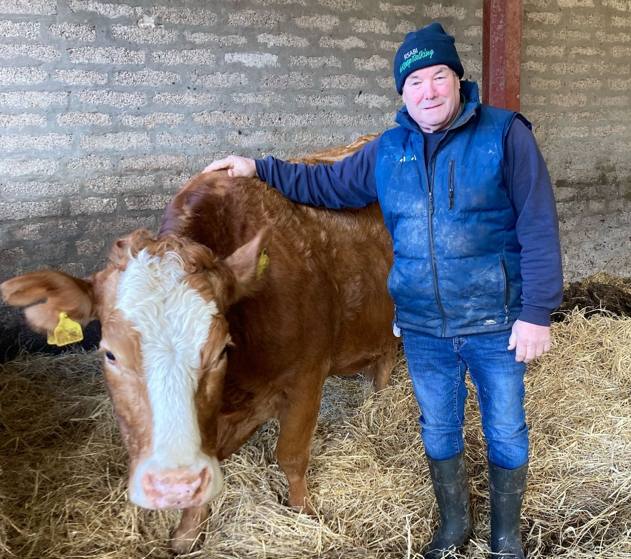
Reading this article, and as we head towards the main period of spring work, I want you to take a good close look at your hands. Are they clean today? Have you any cuts or bruises? Are they covered in mud, oil or marker spray? Are they red? Itchy? Painful? Calloused?
It is estimated that 50-60% of agricultural workers will develop some form of skin condition within five years of beginning their occupation. No matter what sort of farmer or crofter you may be, there is a good chance that your working hands are exposed to a whole range of hazards every day.
The skin is the largest organ of the body and it does an amazing job; acting as a barrier to germs, infection, light and chemicals. It also carries all the nerves for sensing pain, pressure, texture and temperature. The skin is made up of three distinct layers. When these layers are intact, they work together to protect your immune system and keep you healthy. However, if there is a ‘breach’ of these defences, the skin will respond by producing inflammation – known as ‘dermatitis’.
‘Irritant contact dermatitis’ is the most commonly seen skin problem in farming. This happens when the skin is exposed to an irritant substance, causing dryness, redness, blistering or cracking. There are hundreds of potential irritants, including plants, acids, alkalis, animal waste, detergents and even water itself.
Many of you who lamb or calve will have experienced symptoms of irritant contact dermatitis caused by exposure to amniotic fluids and frequent hand washing coupled with cold, wet weather. Dairy workers will have regular contact with disinfectants and ‘wet work’. Irritants don’t always have to be in a liquid form; straw dust, grain dust, animal dander and feathers are also known to produce a contact dermatitis.
The more frequent and prolonged the exposure to an irritant, the worse the symptoms become. Around 95% of the time, the hands and forearms will be affected but occasionally, the face or other areas are involved. If left untreated, the skin can become so painful and cracked as to prevent you from working effectively.
If you have a history of asthma or eczema, you are much more likely to be affected by dermatitis.
There are several things you can do to improve and prevent irritant contact dermatitis:
- Wear gloves where possible
- Use a moisturising, antibacterial handwash instead of soap
- Do not use harsh scrubs or grainy soaps
- Dry hands thoroughly- don’t forget the spaces between the fingers
- Pat hands dry – don’t rub!
- Use a barrier cream before work starts
- Moisturise your hands regularly
- Try a non-drowsy antihistamine for itch
- Avoid wearing jewellery if you have to wash your hands frequently.
If you have tried all these measures and your symptoms are persistent, seek further advice from your own GP practice. Occasionally, dermatitis requires treatment with prescription only creams.
‘Allergic contact dermatitis’ is less often seen. This condition affects more than just the areas of direct contact with a substance. It is caused when the body’s immune system sets up an allergic response. As with irritant skin problems, there are too many possible causes to name, but common culprits include preservatives in animal feed, pesticides, disinfectants, livestock dander and a variety of plants. The risk of developing an allergic skin problem is increased if the skin is already broken and inflamed. Whilst rare, those affected by this type of dermatitis can develop a very severe allergic response called anaphylaxis. Symptoms of this include a blotchy red rash, dizziness, nausea, swelling around the mouth and breathlessness which comes on shortly after being exposed to a substance. This is a medical emergency and requires a 999 response.
There are many hazardous substances in regular use in agriculture with a potential to cause ill health effects – and not just on skin. It is important to understand the potential health risks associated with these and ensure that you use and provide appropriate protective equipment, taking steps to minimise exposure.
As with almost all medical issues, prevention is better than cure. Keeping your hands and skin in good condition can reduce the risk of developing an occupational dermatitis. It takes just a few minutes to moisturise your hands last thing at night and to use a non greasy barrier cream before starting your days work. Your hands will thank you for it!
https://www.bad.org.uk/pils/how-to-care-for-your-hands/
Dr Louise MacLarty has been a general practitioner and occupational health doctor in the Inverness and Dingwall area since 2007. Louise lives on a small farm in the Black Isle and helps to run the family forestry business. Louise is delighted to be a member of the RSABI Health Hut team and is looking forward to promoting better health and wellbeing in the farming community.