
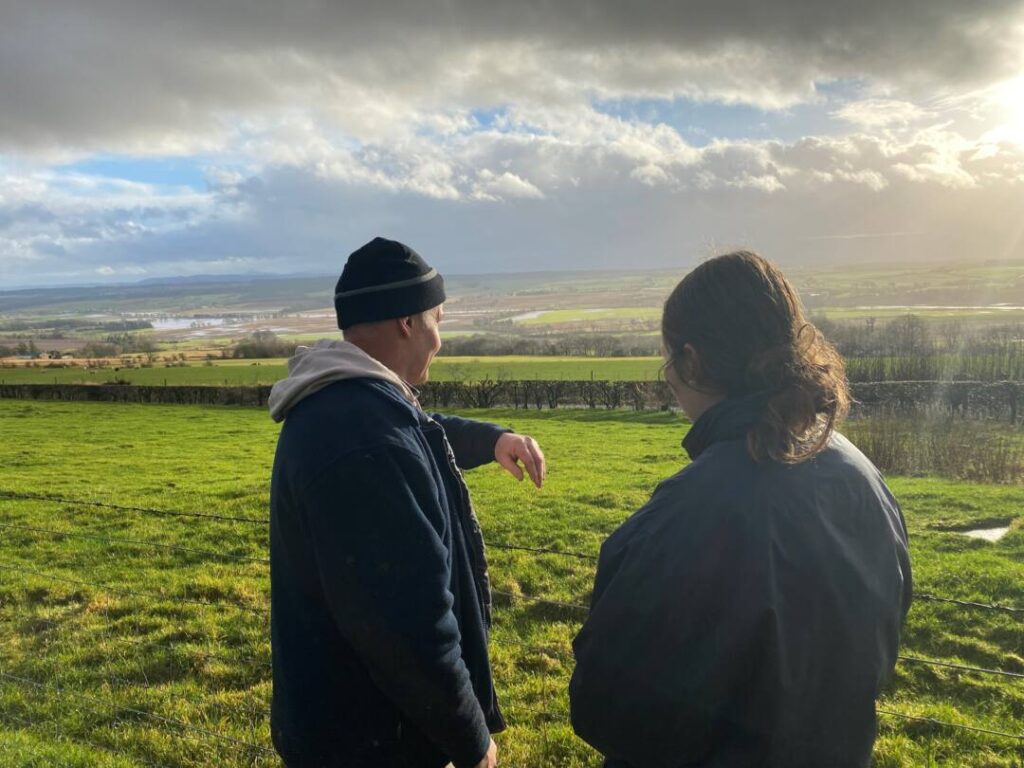
RSABI’s commitment to a new full-time Suicide Prevention role, working closely with SAMH (Scottish Action for Mental Health), reflects the importance the organisation is placing on supporting farmers and crofters with their mental health, along with practical and financial assistance.
One of the aims of the new role is to maximise the opportunity for partnership working and collaboration with specialist organisations involved in suicide prevention, in line with the Scottish Government’s Prevention Strategy, “Creating Hope Together”.
As well as working long hours, the isolation of modern farming and lack of social contact, along with financial worries, are factors which can have a major impact on the mental wellbeing of people in farming.
One priority for the years ahead will be to improve understanding of suicide in Scotland’s farming and crofting communities along with increasing awareness of the ways everyone can play a part in suicide prevention.
“Tragically, Scottish agriculture is still losing too many people of a wide range of ages and circumstances, to suicide but there is some great work being done on mental health and there are many reasons for hope and positivity, and many proactive steps that we know can make a difference,” said Carol McLaren, Chief Executive of RSABI.
“A major step forward would be increasing awareness and understanding of the risk factors, and we know that becoming more comfortable and willing to talk about suicide will help to save lives as well as helping to support those bereaved by suicide – something everyone in the Scottish agricultural community has the potential to get behind.”
RSABI is pleased to be working closely with the team at SAMH. Together, the aim is to work on two of the factors that have been shown to make a big difference to people living with thoughts of suicide or who have survived an attempt to take their life. These are having someone they feel comfortable talking to who can take the time to listen – really listen – to them and for someone to show them kindness and treat them with compassion.
Importantly, this is not about attempting to take the role of a mental health professional or trying to fix problems, but about giving people time, showing you care, and listening. Simple steps which cost nothing and can make a massive difference. Some people are, however, very good at hiding how they are really feeling and no-one should ever feel responsible in any way if they have not managed to help someone.
Dan Farthing, Head of Suicide Prevention with SAMH, emphasises that on occasions when people are concerned they should have the confidence to ask someone directly if they are having thoughts of suicide.
“Unfortunately, we know that people can hesitate to ask someone if they are having thoughts of suicide. People often worry about planting a seed of an idea, but research is clear that talking about suicide reduces the risk of suicide.
“By asking, you show someone you care about them and are worried about what they may be going through. So, the more comfortable we can get with talking to people and asking them about any thoughts of suicide, the safer we can make our communities.”
RSABI offers free practical, financial, and emotional support including counselling services, delivered quickly after receiving the initial enquiry. Its free confidential support service is available 24 hours a day, every day of the year, by calling 0808 1234 555 (calls won’t show up on phone bills) or through a confidential webchat service, available on RSABI’s websitewww.rsabi.org.uk.
There are many other organisations which can offer help, support and advice. If you have a question about mental health, you can contact the SAMH Information Service, open Monday to Friday, on 0344 800 0550 or visit its website at www.samh.org.uk. If life is hard right now, Samaritans are here to listen – day or night, 365 days a year. You can call them for free on 116 123 or visit www.samaritans.org for more ways to speak to a Samaritan.
NHS Breathing Space phone service is available by calling 0800 838587. If you or someone else is in danger call 999 or go to A&E; if you need urgent help for your mental health call 111 or visit 111.nhs.uk to get immediate advice on mental health symptoms.